If you’ve ever been fascinated by architecture, design thinking, urban studies, or cultural theory, S, M, L, XL is one of those legendary books that keeps popping up in conversations. Written by Rem Koolhaas with graphic designer Bruce Mau, this massive, unconventional book is not just something you read — it’s something you experience. Since its release, it has earned cult status among architects, designers, and creative thinkers worldwide.
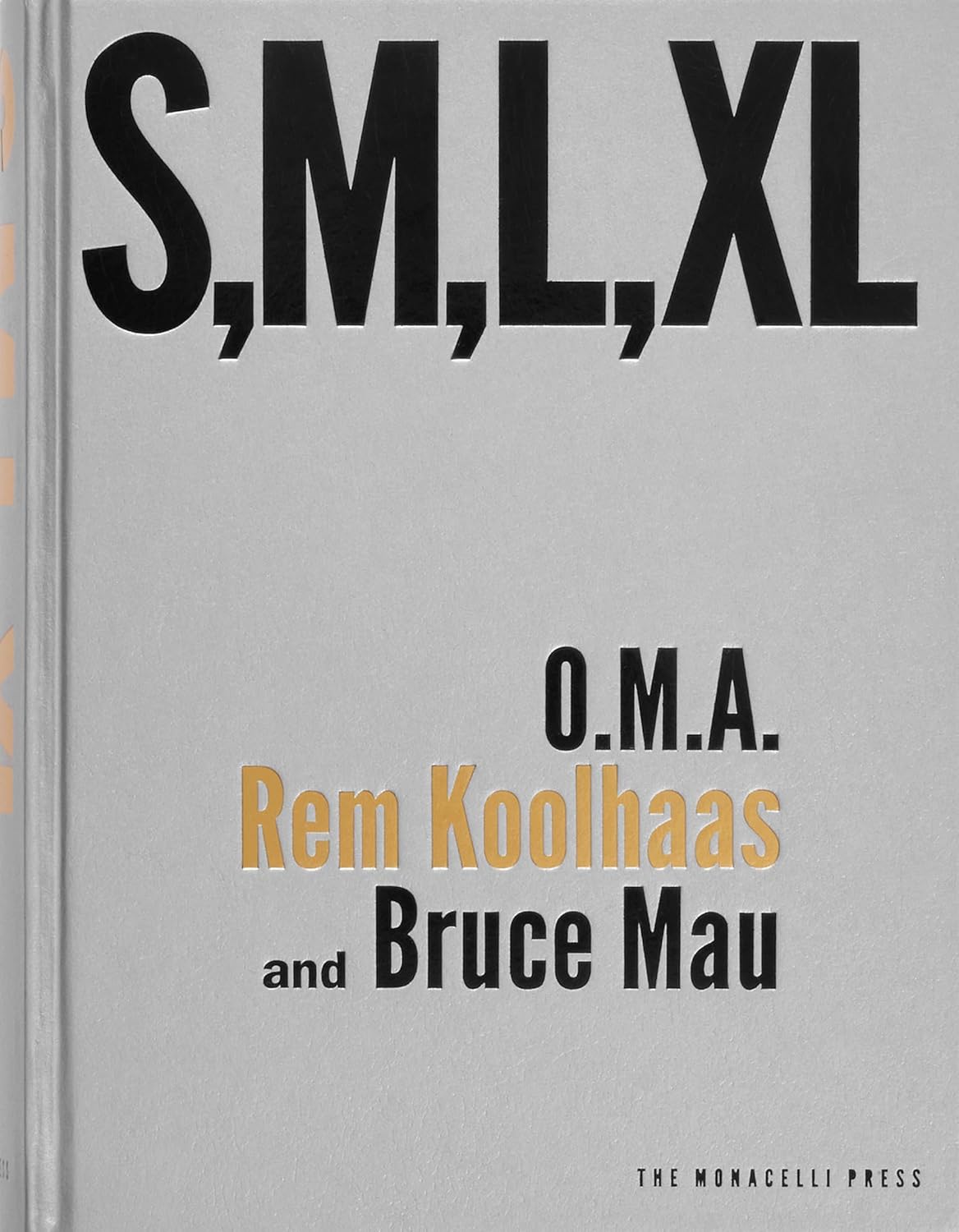
What makes S, M, L, XL so popular is its bold refusal to follow traditional formats. It blends essays, projects, images, diaries, and theoretical reflections into a single oversized volume. Whether you’re a student, professional, or simply curious about how cities and ideas evolve, this review will walk you through what the book offers, why it matters, and where you can buy it online.
Table of Contents
About the Book
S, M, L, XL was published in 1995 and quickly became a landmark work in architectural literature. The title refers to Small, Medium, Large, and Extra-Large — a framework Koolhaas uses to explore how scale influences architecture, cities, and culture.
The book is part manifesto, part portfolio, and part philosophical diary. It documents the work of OMA (Office for Metropolitan Architecture) while also questioning modern urban life, globalization, and design ideology.
Genre: Architecture, Urban Theory, Design
Best for: Architects, designers, students, urban planners, and curious thinkers
Format: Oversized illustrated hardcover
Tone: Experimental, intellectual, provocative
This is not a casual coffee-table book — it’s dense, layered, and deeply thought-provoking.
About the Author
Rem Koolhaas is one of the most influential architects and thinkers of the late 20th and early 21st centuries. He is the founder of OMA, a global architecture firm responsible for iconic projects like the CCTV Headquarters in Beijing and the Seattle Central Library.
Beyond buildings, Koolhaas is celebrated for his writing and critical thinking. His other well-known works include Delirious New York and Junkspace. Koolhaas also won the Pritzker Architecture Prize, cementing his credibility as both a practitioner and a theorist.
Summary / Key Takeaways
Rather than a single storyline, S, M, L, XL offers a collection of ideas and observations. Key takeaways include:
- Architecture is deeply shaped by scale, politics, economics, and culture
- Cities are chaotic systems that resist simple planning logic
- Modern architecture must confront globalization and urban density
- Design thinking extends far beyond buildings into social behavior
- Contradictions and complexity are unavoidable — and valuable
Each section invites readers to think differently about space, form, and modern life.
What Readers Liked
Readers and critics consistently praise S, M, L, XL for several reasons:
- Bold, non-linear structure that breaks traditional book norms
- Rich mix of text, visuals, diagrams, and photography
- Honest, sometimes provocative commentary on modern architecture
- Insight into real-world architectural projects and failures
- Long-lasting relevance despite being published decades ago
Many readers describe it as a book they return to repeatedly rather than reading once from cover to cover.
What Could Be Better
While widely admired, the book isn’t for everyone. Some common criticisms include:
- The size and weight make it physically difficult to handle
- Writing style can feel dense and academic at times
- Not beginner-friendly for readers with no architecture background
That said, these “drawbacks” are often part of what fans love most about the book.
Why You Should Read It
You should read S, M, L, XL if you want to:
- Think beyond conventional architectural rules
- Understand how cities evolve under modern pressures
- Explore design as a cultural and political force
- Gain inspiration from one of the most original minds in architecture
If you enjoy books that challenge your assumptions and reward slow, thoughtful reading, this one delivers in a big way.
Buy This Book
Ready to add this iconic volume to your collection?

About the Author