Rotodynamic pumps are the backbone of modern fluid-handling systems, and few books explain them as clearly and practically as Rotodynamic Pumps: Centrifugal and Axial.
Widely regarded as a classic reference in mechanical and pump engineering, this book has been used for decades by students, designers, operators, and maintenance professionals across industries like power generation, oil & gas, water treatment, and HVAC.
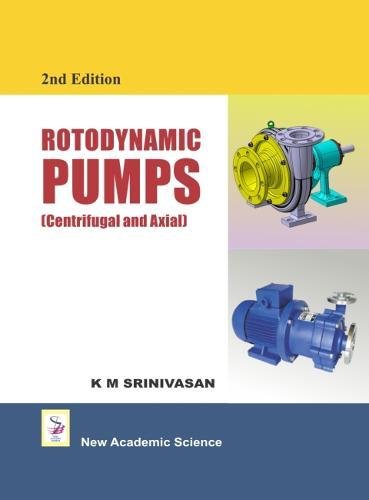
What makes this book stand out is its engineering depth combined with real-world practicality. Instead of staying purely theoretical, it connects fluid mechanics concepts directly to pump design, performance, selection, and troubleshooting. If you’re looking for a reliable guide that helps you truly understand how centrifugal and axial pumps work—and how to apply that knowledge—keep reading for a full summary, key takeaways, and buying details.
Table of Contents
About the Book
Rotodynamic Pumps: Centrifugal and Axial is a technical engineering reference book focused on the theory, design, operation, and application of rotodynamic pumps. It covers both centrifugal pumps and axial-flow pumps, making it a comprehensive resource rather than a narrow niche text.
The book dives into:
- Pump hydraulics and fluid dynamics
- Performance curves and efficiency
- Cavitation and suction conditions
- Design considerations and materials
- Selection, installation, and operation
It is primarily written for mechanical engineers, pump designers, plant engineers, technicians, and engineering students. While it is not a casual read, it is structured clearly enough to be used as both a learning text and a long-term reference manual.
About the Author
The book is authored by Igor J. Karassik, a globally respected authority in pump engineering, along with contributions from other industry experts. Karassik was known for his deep involvement in pump design, standards development, and engineering education.
He has contributed extensively to pump literature and engineering handbooks, and his work is frequently cited in professional and academic settings. His credibility comes from decades of hands-on industry experience, making this book especially valuable for real-world applications—not just classroom theory.
Summary / Key Takeaways
Here are the main ideas and lessons readers gain from this book (without spoilers or heavy math):
- Explains how centrifugal and axial pumps convert mechanical energy into fluid energy
- Breaks down pump performance curves, efficiency, and operating limits
- Offers clear guidance on pump selection based on system requirements
- Addresses common pump problems like cavitation, vibration, and efficiency loss
- Connects theory with practical installation and operational considerations
- Serves as a long-term reference for design, troubleshooting, and optimization
What Readers Liked
Readers and professionals consistently praise this book for several reasons:
- Authoritative and technically accurate content
- Strong balance between theory and practical engineering
- Clear explanations of complex pump behavior
- Useful diagrams, charts, and performance discussions
- Applicable across industries—from water systems to heavy process plants
Many engineers consider it a “must-have reference” rather than a book you read once and shelve.
What Could Be Better
While highly respected, the book does have a few minor limitations:
- The writing style is technical and academic, not beginner-friendly
- Limited step-by-step examples for absolute newcomers
- Some sections may feel dense without a background in fluid mechanics
That said, these are expected trade-offs for a professional engineering reference.
Why You Should Read It
If your work or studies involve pumps, fluid systems, or rotating equipment, this book delivers lasting value. Unlike short online articles, it builds a deep foundational understanding that helps you make better engineering decisions.
You should read this book if you:
- Design or select centrifugal or axial pumps
- Work in plant operations, maintenance, or reliability
- Study mechanical or chemical engineering
- Want to reduce pump failures and inefficiencies
- Need a trusted reference for real-world projects
Buy This Book
If you want a proven, industry-recognized reference that you’ll use for years, this book is worth adding to your library.

About the Author