In the world of pipeline engineering and oil & gas design, practical knowledge often matters more than theory-heavy textbooks. That’s exactly where the Pipeline Rules of Thumb Handbook shines.
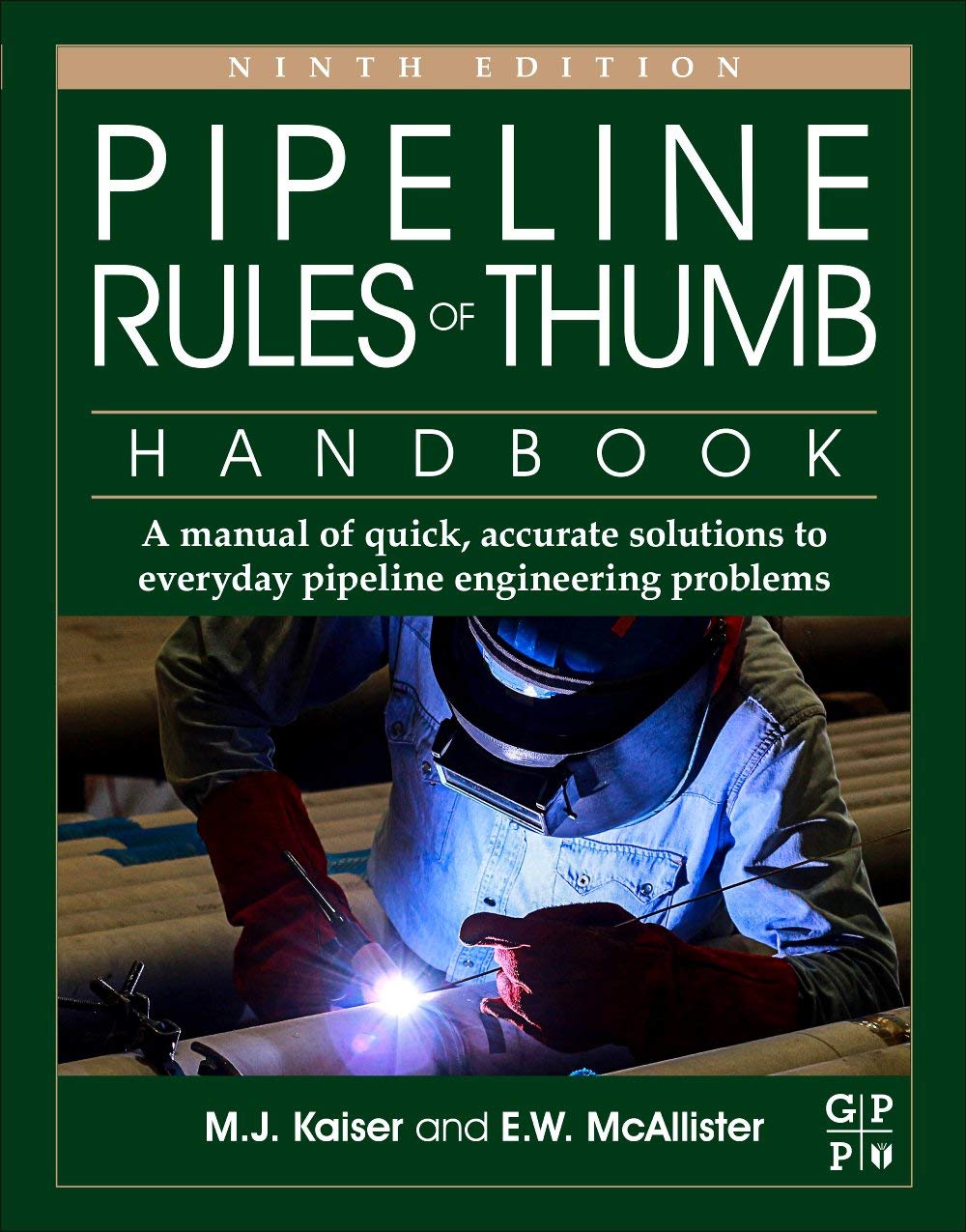
Widely referenced by engineers, designers, and project managers, this book is known for delivering quick, experience-based guidelines that help professionals make informed decisions on the job.
Rather than overwhelming readers with complex formulas, the handbook focuses on real-world rules of thumb developed from decades of industry practice. Whether you’re working on pipeline sizing, materials selection, hydraulics, or safety considerations, this book aims to save time and reduce costly mistakes.
Keep reading for a clear summary, pros and cons, and where you can buy it online.
Table of Contents
About the Book
The Pipeline Rules of Thumb Handbook is a technical reference guide focused on pipeline design, construction, operation, and maintenance. It compiles proven engineering shortcuts, best practices, and decision-making guidelines used across the oil, gas, petrochemical, and water pipeline industries.
Key highlights:
- Genre: Engineering / Industrial Reference
- Focus: Practical pipeline design and operational guidelines
- Target audience: Pipeline engineers, mechanical engineers, project managers, inspectors, and engineering students
- Style: Concise, table-driven, and experience-based
Unlike academic textbooks, this handbook is designed for desk-side and field use, making it ideal for quick checks during design reviews or site work.
About the Author
The book is authored by E. W. McAllister, a respected name in pipeline engineering literature. McAllister is known for translating complex engineering principles into usable, real-world guidance that professionals can immediately apply.
He has contributed extensively to pipeline engineering references and industry handbooks, earning credibility through decades of hands-on experience. His work is often cited by engineers looking for practical insight rather than purely theoretical explanations.
Summary / Key Takeaways
Here are the main lessons and takeaways from the Pipeline Rules of Thumb Handbook (spoiler-free):
- Practical rules of thumb for pipeline sizing, pressure drops, and flow behavior
- Guidance on materials selection and corrosion considerations
- Simplified approaches to hydraulics and fluid flow problems
- Field-tested insights on construction, installation, and safety
- Design checks that help avoid common engineering mistakes
Each section is structured for quick reference, making it easy to apply in real projects.
What Readers Liked
Readers and professionals consistently appreciate this handbook for several reasons:
- Highly practical – focuses on what actually works in the field
- Saves time during design reviews and troubleshooting
- Easy-to-understand tables, charts, and guidelines
- Useful for both junior engineers and seasoned professionals
- Acts as a perfect companion to detailed design codes and standards
Many engineers describe it as a book they “keep within arm’s reach.”
What Could Be Better
While the book is highly valued, some readers note a few limitations:
- Not a replacement for detailed engineering codes or software
- Assumes basic knowledge of pipeline engineering
- Some examples may feel industry-specific (oil & gas–focused)
These are minor concerns, especially considering the book’s purpose as a rules-of-thumb reference.
Why You Should Read It
If you work in pipeline engineering, EPC projects, oil & gas, or industrial utilities, this book offers something rare: experience distilled into usable guidance. It bridges the gap between theory and practice, helping you make faster, more confident engineering decisions.
It’s especially valuable if you:
- Want quick checks without running full simulations
- Are responsible for reviewing pipeline designs
- Need field-ready engineering insight
- Are building foundational knowledge early in your career
Buy This Book
If you want a reliable, industry-tested pipeline reference, this handbook is worth adding to your library.

About the Author