Understanding electric circuits is a core requirement for anyone stepping into electrical engineering, electronics, or applied physics. Fundamentals of Electric Circuits is one of those rare textbooks that manages to be both academically rigorous and surprisingly readable.
Widely used in universities around the world, this book has helped millions of students move from confusion to confidence when dealing with circuit analysis.
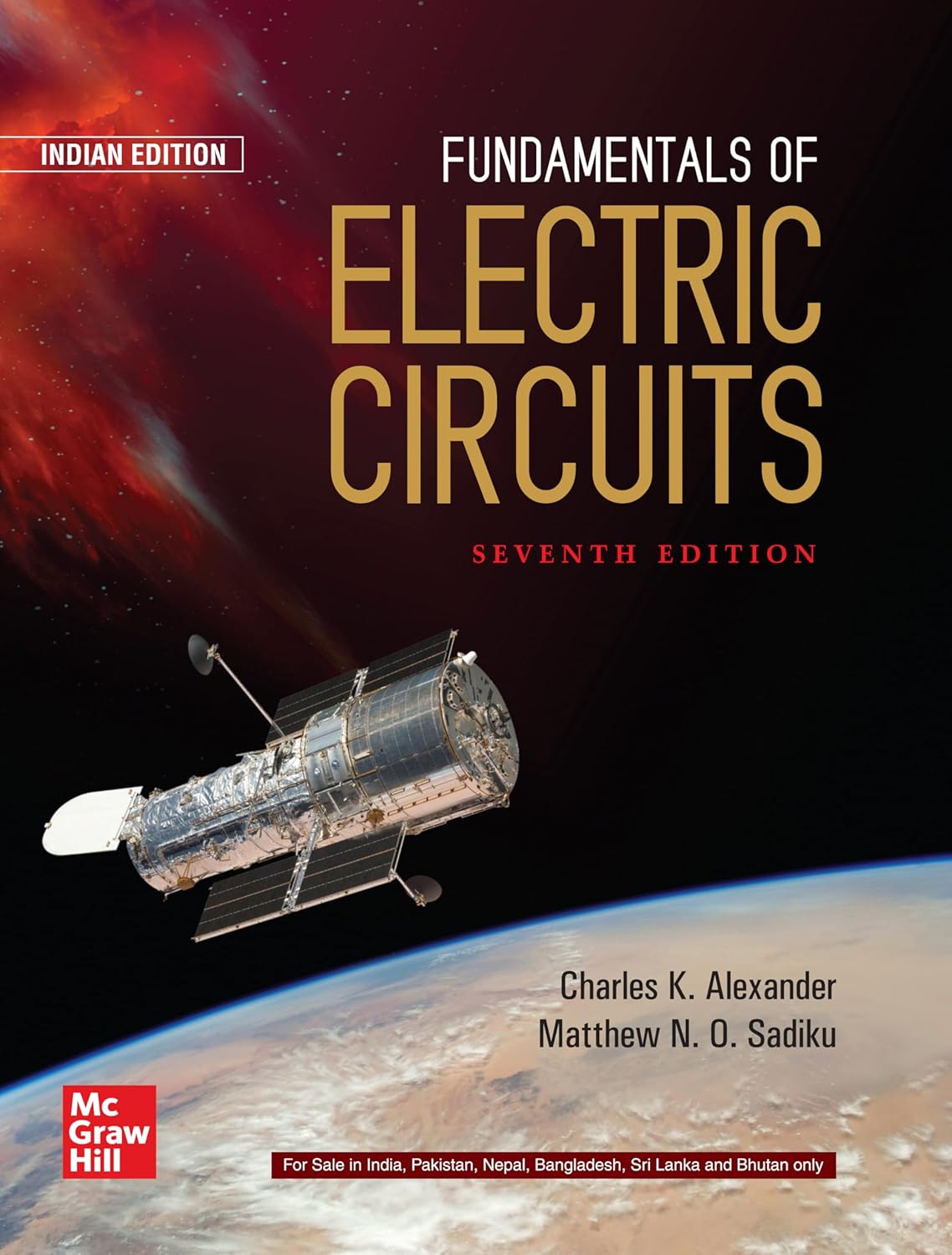
What makes this book stand out is its clear explanations, logical structure, and real-world engineering focus. Instead of drowning readers in equations, it builds concepts step by step and shows how theory connects to practice. Whether you’re a first-year engineering student or a professional revisiting the basics, this book has something valuable to offer. Keep reading for a detailed summary, key takeaways, and where to buy it online.
Table of Contents
About the Book
Fundamentals of Electric Circuits is a technical education textbook focused on the principles of electrical circuits and their applications. It covers essential topics such as Ohm’s Law, Kirchhoff’s laws, nodal and mesh analysis, operational amplifiers, AC circuits, and frequency response.
The book is designed primarily for undergraduate engineering students, but it’s also useful for diploma students, self-learners, and professionals preparing for technical exams. Each chapter blends theory with worked examples, practice problems, and real-life engineering scenarios.
Published by McGraw-Hill Education, the book has gone through multiple editions, each improving clarity, problem sets, and learning aids. Its structured approach makes it a standard reference in electrical and electronics engineering courses worldwide.
About the Author
The book is authored by Charles K. Alexander and Matthew N. O. Sadiku, both highly respected figures in electrical engineering education.
Charles K. Alexander is known for his excellence in teaching and curriculum development, while Matthew N. O. Sadiku is a prolific author with numerous textbooks in electromagnetics, circuits, and engineering fundamentals. Their combined expertise brings both academic depth and teaching clarity to the book.
Together, they have authored several well-known engineering textbooks, earning global recognition for making complex technical concepts easier to understand.
Summary / Key Takeaways
Here are the main ideas and learning outcomes readers can expect from Fundamentals of Electric Circuits:
- Clear explanation of basic circuit laws and how they apply to real systems
- Step-by-step methods for solving DC and AC circuit problems
- Strong focus on problem-solving techniques, not just theory
- Practical examples that link circuits to real-world engineering applications
- Gradual progression from simple concepts to more advanced analysis
The book avoids unnecessary complexity and ensures readers develop a strong conceptual foundation.
What Readers Liked
Many students and educators praise this book for several standout qualities:
- Easy-to-follow explanations even for beginners
- Well-organized chapters with logical flow
- Abundance of solved examples and practice problems
- Real-world relevance that helps concepts stick
- Excellent balance between theory and application
Readers often mention that this book makes circuits feel less intimidating and more approachable compared to traditional textbooks.
What Could Be Better
While the book is highly regarded, some readers note a few minor drawbacks:
- The book is math-heavy, which may challenge absolute beginners
- Some chapters can feel dense without guided instruction
- Solutions manual is often sold separately
These are common limitations in technical textbooks and don’t significantly reduce the book’s overall value.
Why You Should Read It
If you’re serious about mastering electric circuits, this book is a must-read. It doesn’t just help you pass exams—it builds a foundation you’ll rely on throughout your engineering career.
The authors focus on understanding rather than memorization, making this book ideal for long-term learning. It’s especially useful if you plan to study advanced topics like power systems, electronics, or control engineering.
Buy This Book
Ready to strengthen your understanding of electrical circuits?

About the Author