Electrical engineering can feel intimidating if you’re just starting out. Complex formulas, abstract theories, and dense textbooks often scare beginners away before they even begin. Electrical Engineering 101 aims to fix that problem by breaking down core electrical concepts into clear, approachable ideas that actually make sense.
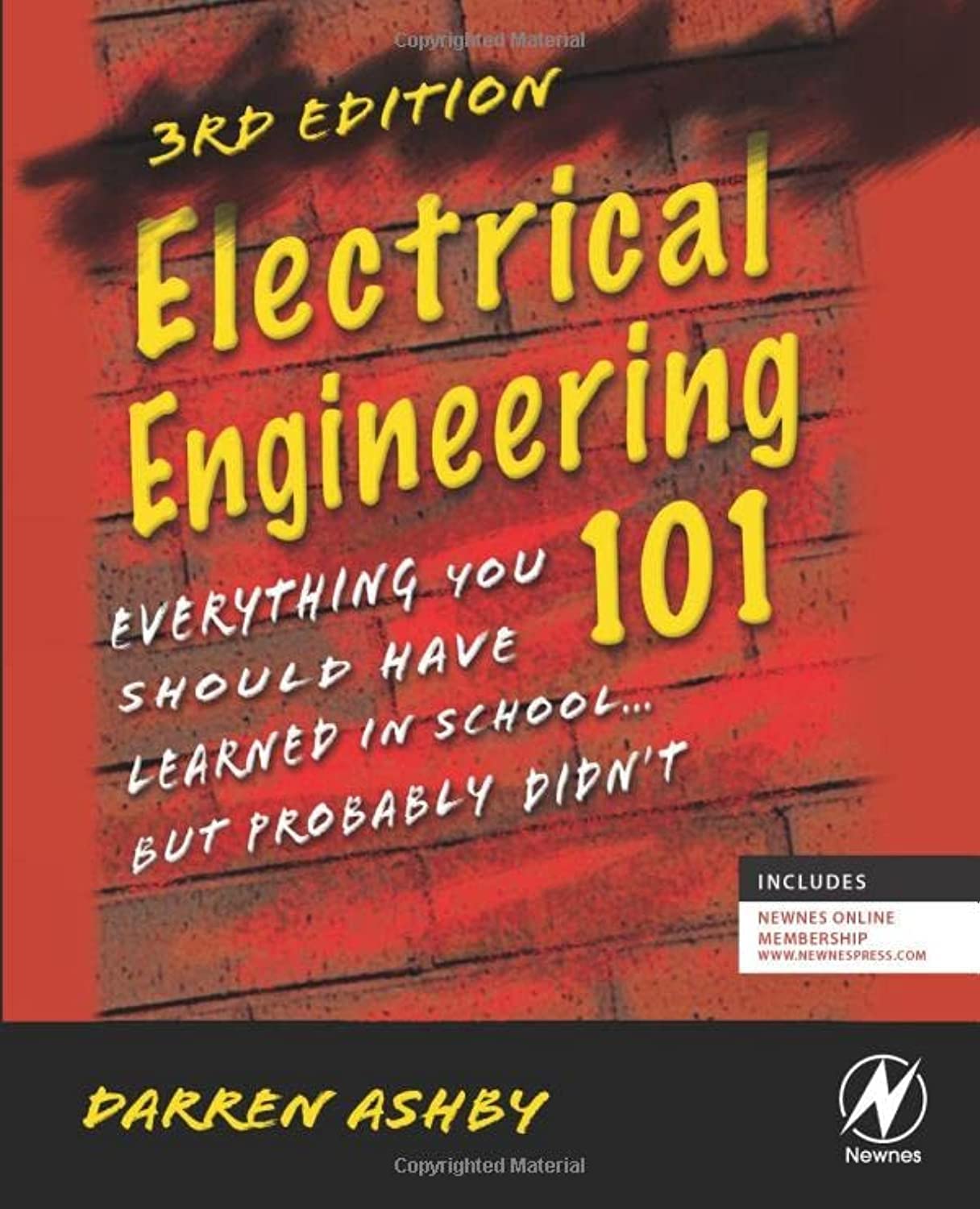
Written for beginners, students, and curious professionals, this book has gained steady popularity for its plain-English explanations and practical focus. Instead of drowning readers in equations, it helps you understand why things work the way they do. If you’ve ever wanted a solid foundation in electrical engineering without feeling overwhelmed, keep reading for a full summary, key takeaways, and buying details.
Table of Contents
About the Book
Electrical Engineering 101 is a non-fiction, educational guide focused on the fundamentals of electrical and electronics engineering. The book covers essential topics such as voltage, current, resistance, AC and DC systems, basic circuit theory, and real-world electrical components.
This book is ideal for:
- Engineering students who want a clearer understanding of basics
- Technicians and hobbyists working with electrical systems
- Non-electrical engineers who need practical electrical knowledge
- Self-learners curious about how electrical systems really work
Rather than acting as a heavy academic textbook, it serves as a conceptual bridge between theory and practice. The explanations are supported with simple examples that relate directly to real-life electrical applications.
About the Author
The book is written by Darren Ashby, an experienced electrical engineer and technical author. Ashby is well-known for his ability to explain complex engineering topics in a way that beginners can actually understand.
Apart from Electrical Engineering 101, he has authored other popular titles in the “101” series, focusing on electronics, automation, and industrial systems. His credibility comes from years of hands-on industry experience, which clearly reflects in the book’s practical, no-nonsense teaching style.
Summary / Key Takeaways
Here are the main ideas and lessons readers gain from Electrical Engineering 101:
- A clear explanation of core electrical principles like voltage, current, and resistance
- Easy-to-understand breakdowns of AC and DC power systems
- Practical insight into how circuits and components work together
- Real-world examples that connect theory with industrial applications
- A strong conceptual foundation without advanced mathematics
The book avoids spoilers by focusing on learning outcomes rather than chapter-by-chapter details.
What Readers Liked
Many readers appreciate this book for its clarity and practicality. Some commonly praised aspects include:
- Beginner-friendly language with minimal jargon
- Logical progression from simple concepts to slightly advanced topics
- Strong focus on real-world understanding, not just theory
- Useful for both academic study and hands-on electrical work
- Acts as a great refresher for experienced professionals
Readers often describe it as the book they wish they had earlier in their engineering journey.
What Could Be Better
While widely appreciated, a few readers note minor limitations:
- Limited depth for advanced electrical engineering topics
- Fewer practice problems compared to academic textbooks
- Some concepts may feel basic for experienced electrical engineers
That said, these points are expected given the book’s beginner-focused purpose.
Why You Should Read It
If you’re struggling with electrical fundamentals or want a stress-free introduction, Electrical Engineering 101 delivers real value. It doesn’t try to impress with complexity — instead, it builds confidence through understanding.
This book is especially useful if you:
- Feel overwhelmed by traditional engineering textbooks
- Want to understand electrical systems used in buildings, factories, or machines
- Are preparing for technical interviews or coursework
- Enjoy learning concepts before diving into equations
Conclusion
Electrical Engineering 101 succeeds at what it promises — making electrical engineering understandable, practical, and approachable. It’s not meant to replace advanced textbooks, but it excels as a foundation-building guide for students, technicians, and curious learners.
Buy This Book
Ready to build a solid foundation in electrical engineering?

About the Author