The ASHRAE Handbook – Fundamentals is not just another technical book—it’s a cornerstone reference in the world of HVAC, building services engineering, and thermal science. Published by ASHRAE (American Society of Heating, Refrigerating and Air-Conditioning Engineers), this handbook has become a trusted global standard for engineers, consultants, students, and facility professionals.
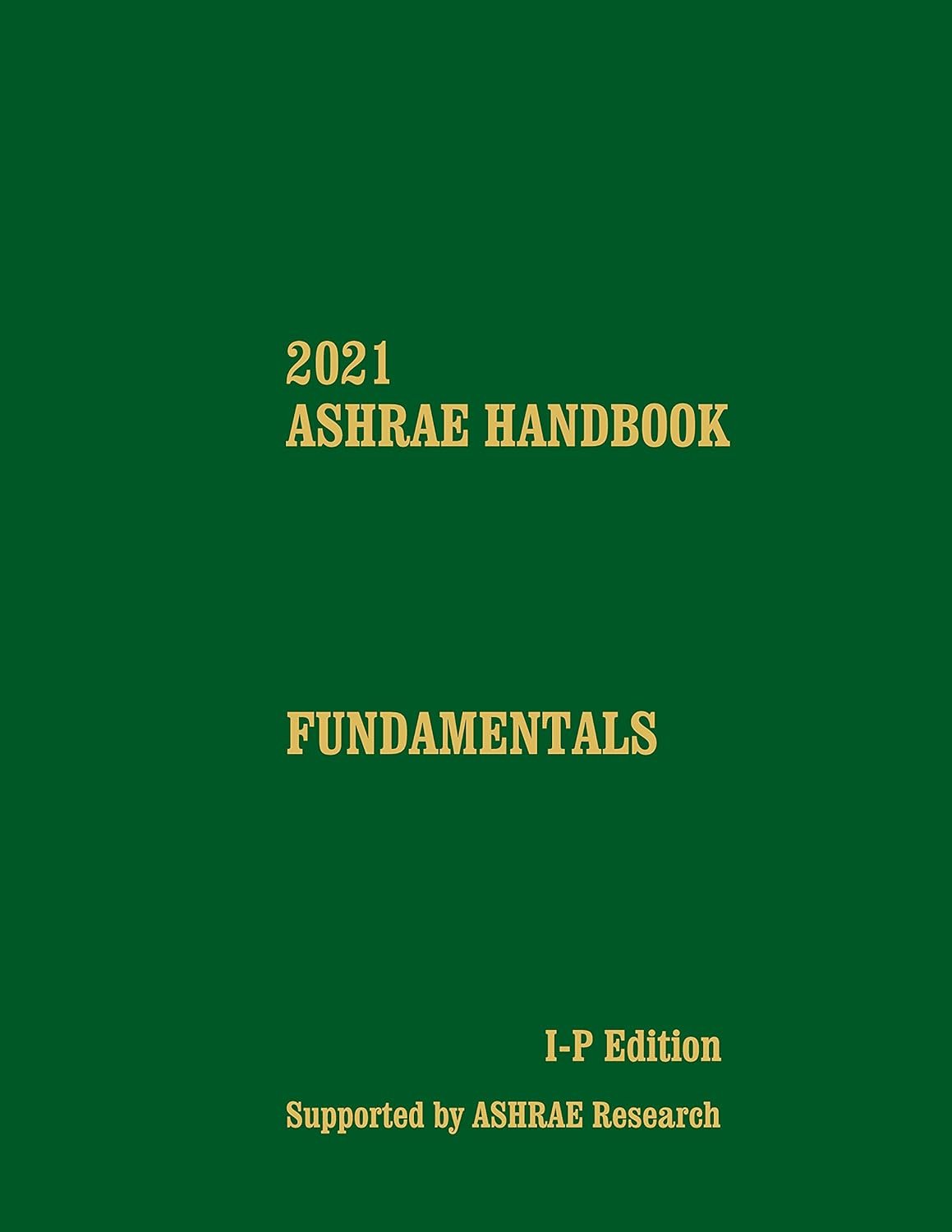
Known for its data-driven approach, practical formulas, and real-world applicability, the Fundamentals volume lays the scientific groundwork for HVAC system design and building performance analysis.
Whether you’re designing energy-efficient buildings, sizing HVAC systems, or preparing for professional exams, this book aims to solve complex engineering problems with clarity and authority.
Keep reading for a detailed summary, key takeaways, pros and cons, and where to buy this essential reference online.
Table of Contents
About the Book
The ASHRAE Handbook – Fundamentals is part of the prestigious ASHRAE Handbook Series, updated on a four-year cycle to reflect the latest research, standards, and best practices.
This volume focuses on the core principles that underpin HVAC and building systems, including:
- Thermodynamics and psychrometrics
- Heat transfer and fluid flow
- Climatic design data
- Indoor environmental quality
- Energy calculations and load estimation
The book is primarily written for:
- HVAC and mechanical engineers
- Building services consultants
- Architecture and engineering students
- Energy auditors and facility managers
Rather than being a casual read, this is a technical reference manual designed for long-term professional use.
About the Author
Unlike traditional books, the ASHRAE Handbook – Fundamentals is not written by a single author. It is developed collaboratively by ASHRAE technical committees, consisting of industry experts, researchers, professors, and practicing engineers from around the world.
ASHRAE is one of the most respected organizations in the built environment sector, also known for:
- ASHRAE Standards (90.1, 62.1, 55, etc.)
- Other handbook volumes: HVAC Applications, HVAC Systems and Equipment, and Refrigeration
This collective authorship ensures the content is peer-reviewed, technically accurate, and globally relevant.
Summary / Key Takeaways
Here are the core lessons and insights readers gain from the book:
- Clear explanation of fundamental HVAC engineering principles
- Accurate climate and weather data used worldwide for building design
- Detailed guidance on heating and cooling load calculations
- Scientific approach to thermal comfort and indoor air quality
- Practical formulas, charts, and tables for real-world engineering use
The book avoids guesswork and focuses on proven engineering science, making it a reliable reference for decades.
What Readers Liked
Professionals and students consistently praise this handbook for several reasons:
- Authoritative and globally accepted reference
- Extremely data-rich, with tables, charts, and equations
- Ideal balance between theory and application
- Frequently updated to reflect new technologies and climate data
- Essential for professional exams, design offices, and academic study
Many engineers consider it a “desk companion” they return to throughout their careers.
What Could Be Better
While highly respected, the book isn’t without minor limitations:
- The content is highly technical, not beginner-friendly without basic engineering knowledge
- Dense formatting can feel overwhelming for casual readers
- More real-world case studies could benefit early-career engineers
These are not flaws, but reminders that this is a professional reference, not a tutorial book.
Why You Should Read It
If you work—or plan to work—in HVAC, building design, or energy engineering, this book is almost non-negotiable.
You should read (and own) this book if you want to:
- Design accurate, code-compliant HVAC systems
- Understand building physics at a fundamental level
- Improve energy efficiency and thermal comfort
- Use globally recognized engineering data
- Build long-term credibility as a professional engineer
Buy This Book
This handbook is best purchased in its official, updated edition to ensure accuracy.
👉 Buy ASHRAE Handbook – Fundamentals from Amazon
About the Author