Introduction
Electric Energy Systems Theory is a foundational textbook that has earned long-standing respect among electrical engineering students, power system professionals, and academic researchers.
Widely used in universities and reference libraries, this book dives deep into the principles that govern the generation, transmission, and distribution of electric power. What makes it stand out is its balance between mathematical rigor and practical engineering insight—something many technical books struggle to achieve.
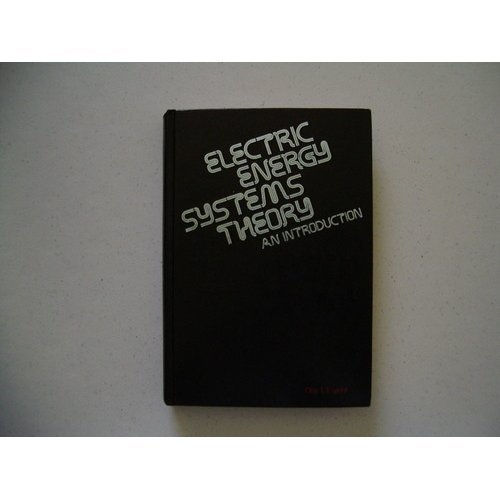
If you’re studying power systems or working in the electrical energy sector and want a solid theoretical backbone, this book is often recommended as a must-read. In this detailed review, you’ll find a clear summary, key takeaways, pros and cons, and where to buy the book online. Keep reading to see whether Electric Energy Systems Theory deserves a spot on your bookshelf.
Table of Contents
About the Book
Electric Energy Systems Theory falls under the engineering and academic textbook genre, with a strong focus on electrical power systems analysis. The book explores core theoretical concepts that underpin modern electric energy systems, from classical power flow analysis to fault studies and system stability.
Key themes covered include:
- Power generation fundamentals
- Transmission line modeling
- Load flow analysis
- Symmetrical components
- Fault analysis and system stability
The book is primarily aimed at undergraduate and postgraduate electrical engineering students, as well as practicing engineers who want to refresh or strengthen their theoretical knowledge. First published decades ago and revised through multiple editions, it has remained relevant due to its solid fundamentals and structured approach.
About the Author
The book is authored by O.I. Elgerd, a highly respected figure in the field of electrical power engineering. Elgerd was known for his contributions to power system analysis, control, and stability, and his academic work has influenced generations of engineers.
In addition to Electric Energy Systems Theory, Elgerd has contributed to several influential research papers and technical publications that are still cited today. His teaching experience and research depth clearly reflect in the book’s logical progression and clarity, making complex topics more approachable without oversimplifying them.
For more academic insights and reader reviews, you can also explore discussions on Goodreads or university-recommended reading lists.
Summary / Key Takeaways
Here are the main ideas and lessons readers can expect from Electric Energy Systems Theory:
- Explains the theoretical foundations of electric power generation, transmission, and distribution
- Introduces power system modeling techniques used in real-world engineering
- Covers load flow, fault analysis, and stability in a structured, step-by-step manner
- Emphasizes mathematical formulation while maintaining engineering relevance
- Builds a strong conceptual base for advanced power system studies
This is not a casual read but a serious academic resource designed to deepen understanding.
What Readers Liked
Many readers and educators consistently praise this book for several reasons:
- Strong theoretical depth suitable for university-level study
- Clear explanation of complex mathematical concepts
- Logical chapter structure that builds knowledge progressively
- Widely accepted as a standard reference in power system courses
- Useful for both exam preparation and professional reference
Students often mention that once they grasp the concepts from this book, other power system subjects become much easier to understand.
What Could Be Better
While highly respected, the book is not without minor drawbacks:
- The writing style is academic and dense, which may challenge beginners
- Limited use of modern software tools or simulations
- Fewer real-world case studies compared to newer textbooks
That said, these limitations are expected given the book’s strong focus on theory rather than applied software-based learning.
Why You Should Read It
If you’re serious about mastering electrical power systems, Electric Energy Systems Theory offers something invaluable: a rock-solid conceptual foundation. Many modern books rely heavily on software and numerical tools, but this one ensures you understand why systems behave the way they do.
You should read this book if you:
- Are an electrical engineering student studying power systems
- Want clarity on power flow, faults, and stability theory
- Prefer deep understanding over surface-level explanations
- Are preparing for competitive exams or postgraduate studies
Buy This Book
Ready to add this classic to your engineering library?

About the Author