Introduction
Few architecture books have challenged conventional design thinking as boldly as Complexity and Contradiction in Architecture by Robert Venturi. First published in the 1960s, this iconic work became a turning point in architectural theory, pushing back against the rigid simplicity of Modernism. Venturi argues that buildings should embrace complexity, ambiguity, and contradiction, much like real life itself.
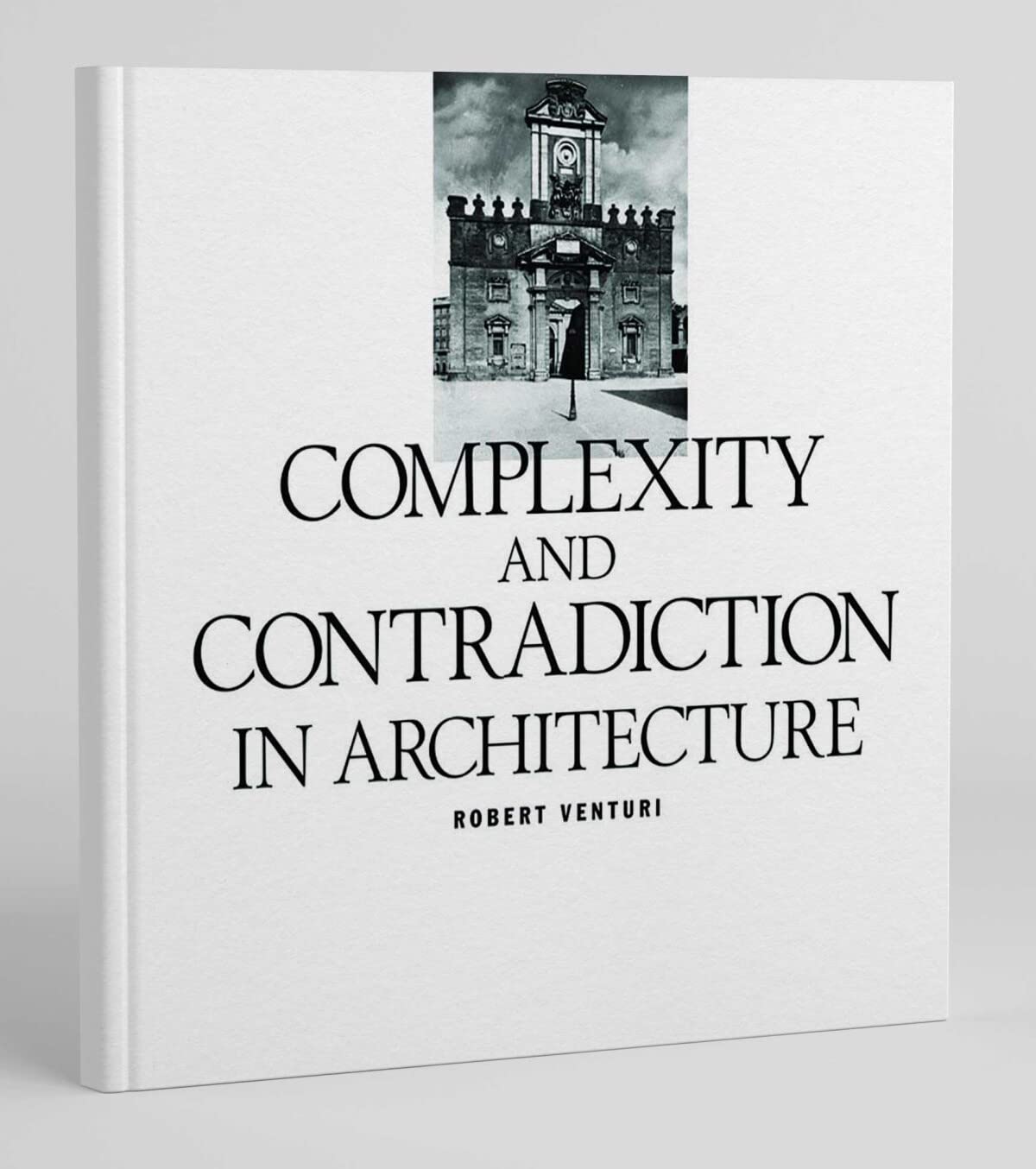
Decades later, the book remains hugely popular among architects, designers, students, and thinkers who want to understand architecture beyond clean lines and minimal forms. Whether you’re studying architecture or simply fascinated by how buildings communicate meaning, this book offers timeless insights. Keep reading for a clear summary, key takeaways, and where to buy it online.
Table of Contents
About the Book
Complexity and Contradiction in Architecture is a non-fiction architectural theory book that explores how richness and tension in design create more meaningful spaces.
Rather than promoting purity and uniformity, Venturi celebrates hybrid forms, layered meanings, historical references, and visual tension. He draws examples from classical, baroque, and modern architecture to support his arguments, making the book both theoretical and visually engaging.
Key details:
- Genre: Architecture / Design Theory
- First Published: 1966 (MIT Press)
- Ideal for: Architecture students, practicing architects, urban designers, historians, and serious design enthusiasts
This book is often included in architecture curricula worldwide and is considered a foundational text of postmodern architectural thought.
About the Author
Robert Venturi (1925–2018) was one of the most influential architects and theorists of the 20th century. He is widely regarded as a founding figure of Postmodern architecture.
Venturi received the Pritzker Architecture Prize in 1991 and was known for challenging architectural orthodoxies. His other notable works include:
- Learning from Las Vegas
- Architecture as Signs and Systems
His academic rigor, combined with real-world architectural practice, gives his writing exceptional credibility and depth.
Summary / Key Takeaways
Here are the core ideas and lessons from the book, without spoilers:
- Architecture should embrace complexity and contradiction, not reject them
- “Less is a bore” challenges the modernist motto “less is more”
- Historical references can enrich modern buildings instead of weakening them
- Ambiguity and layered meanings create more engaging architectural experiences
- Context, symbolism, and contradiction reflect real human life
Venturi doesn’t reject modern architecture outright—he argues for expanding its vocabulary.
What Readers Liked
Readers and critics consistently praise this book for several reasons:
- Groundbreaking ideas that changed architectural thinking
- Clear arguments supported by real architectural examples
- Rich visual references and analytical depth
- Encourages independent thinking rather than rigid rules
- Still relevant despite being decades old
Many readers consider it a “must-read” that reshapes how they see buildings and cities.
What Could Be Better
While highly respected, the book may not appeal to everyone:
- The writing style can feel academic and dense for beginners
- Some references assume prior knowledge of architectural history
- Not a practical “how-to” design manual
These are minor drawbacks, especially for readers seeking theory and conceptual clarity rather than step-by-step guidance.
Why You Should Read It
If you’re tired of oversimplified design philosophies, this book is for you. Complexity and Contradiction in Architecture teaches you to appreciate nuance, contradiction, and richness in design.
You should read it if you:
- Study or practice architecture or urban design
- Want to understand postmodern architectural theory
- Enjoy books that challenge dominant ideas
- Are interested in how buildings communicate meaning
Buy This Book
Ready to add this classic to your collection?

About the Author