Heating, Ventilation, Air Conditioning, and Refrigeration (HVACR) systems are the backbone of modern buildings—and learning how they work properly is not optional for technicians and engineers. Fundamentals of HVACR is one of the most widely used textbooks in the HVAC industry, trusted by students, instructors, and working professionals alike.
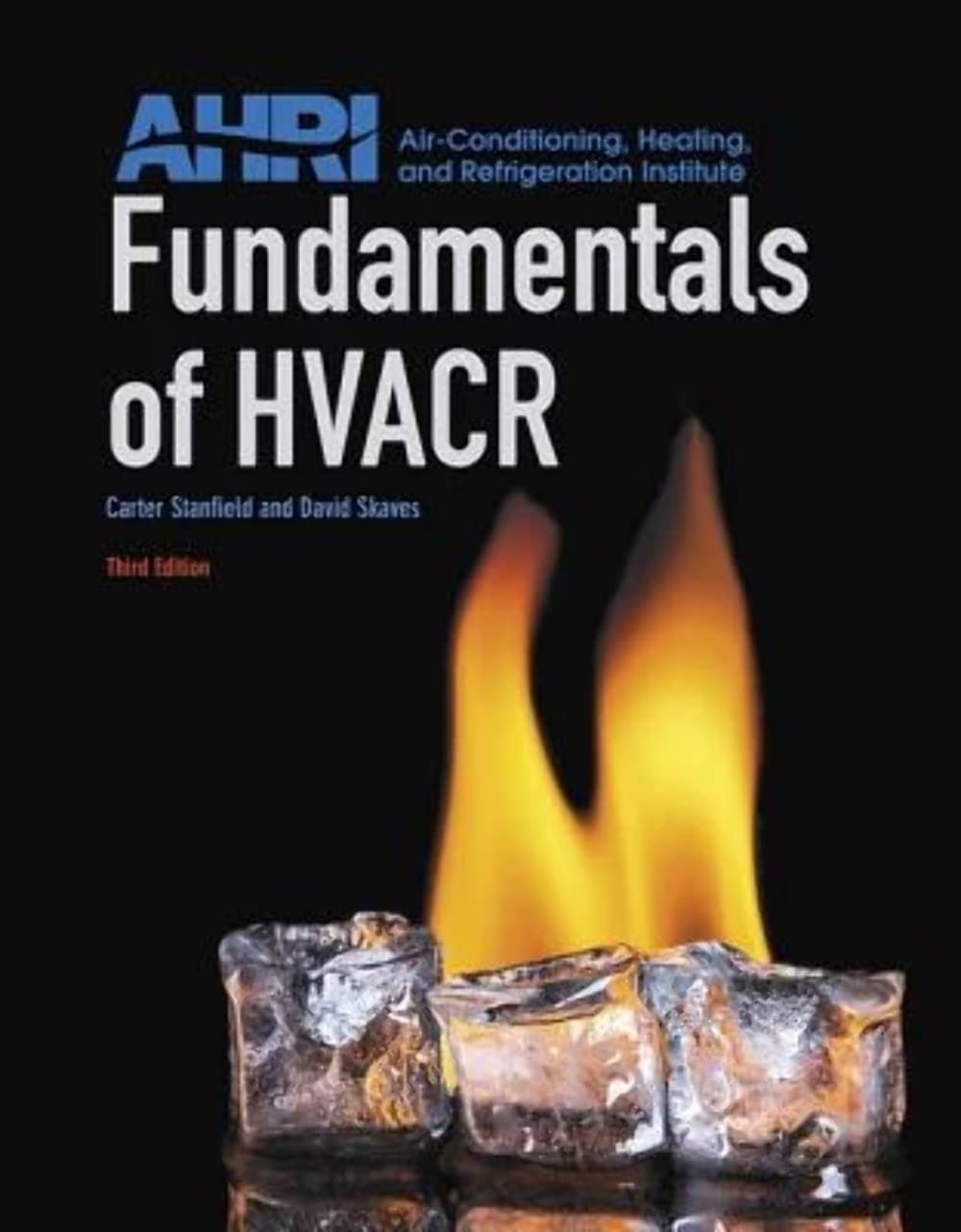
This book is known for breaking down complex mechanical and electrical concepts into clear, practical explanations that actually make sense on the job site. Whether you’re just entering the HVAC field or brushing up on core principles, this book aims to build a rock-solid foundation.
In this review, you’ll find a clear overview of what the book covers, who it’s for, what readers appreciate most, and where it may fall short—plus details on where to buy it online.
Table of Contents
About the Book
Fundamentals of HVACR is a technical education and reference book focused on the core principles of heating, cooling, ventilation, and refrigeration systems. It is commonly used in trade schools, engineering programs, and certification courses worldwide.
The book covers a wide range of topics, including:
- Basic thermodynamics and heat transfer
- Refrigeration cycles and components
- Electrical fundamentals for HVAC systems
- Air distribution, ductwork, and ventilation
- System installation, operation, and maintenance
It is designed primarily for HVAC students, technicians, building engineers, and facility managers, but it’s also valuable for mechanical designers who want a refresher on fundamentals. Updated editions reflect modern refrigerants, energy efficiency standards, and real-world practices used in today’s HVAC industry.
About the Author
The book is authored by E. Althouse, C.D. Turnquist, and A.F. Bracciano, all of whom are highly respected educators in HVAC and mechanical technology. Their combined experience spans decades of classroom teaching, curriculum development, and hands-on industry exposure.
These authors are known for writing clear, structured, and instructional content, making complex engineering topics accessible without oversimplifying them. Their work is widely adopted in technical institutions and is often recommended by HVAC instructors as a core learning resource.
Summary / Key Takeaways
Here are the main takeaways readers gain from Fundamentals of HVACR (no spoilers—just value):
- Explains HVACR concepts from the ground up, assuming no advanced prior knowledge
- Connects theory with real-world HVAC applications
- Covers both mechanical and electrical fundamentals clearly
- Uses diagrams, charts, and examples to improve understanding
- Prepares readers for certifications, exams, and on-the-job work
What Readers Liked
Many readers consistently highlight these strengths:
- Clear explanations of difficult concepts like refrigeration cycles and psychrometrics
- Logical progression from basics to more advanced topics
- Strong focus on practical, job-ready knowledge
- Useful illustrations that support visual learning
- Ideal balance between theory and application
Students especially appreciate how the book builds confidence, while working professionals value it as a reliable reference manual.
What Could Be Better
No technical book is perfect, and some readers mention a few minor drawbacks:
- The book can feel dense for complete beginners without classroom guidance
- Limited focus on advanced automation and smart HVAC controls
- Some editions rely heavily on textbook-style formatting rather than conversational explanations
These points don’t reduce its educational value, but they’re worth noting depending on your learning style.
Why You Should Read It
If you’re serious about HVAC, this book is hard to beat. Fundamentals of HVACR doesn’t just teach you how systems work—it helps you understand why they work the way they do. That deeper understanding leads to better troubleshooting, safer installations, and more efficient system design.
It’s especially valuable if you are:
- Studying HVAC or mechanical engineering
- Preparing for HVAC certification exams
- Working as a technician or building engineer
- Managing HVAC systems in commercial facilities
Buy This Book
If you want a trusted HVAC textbook used globally by professionals and training institutes, this is a solid investment.

About the Author