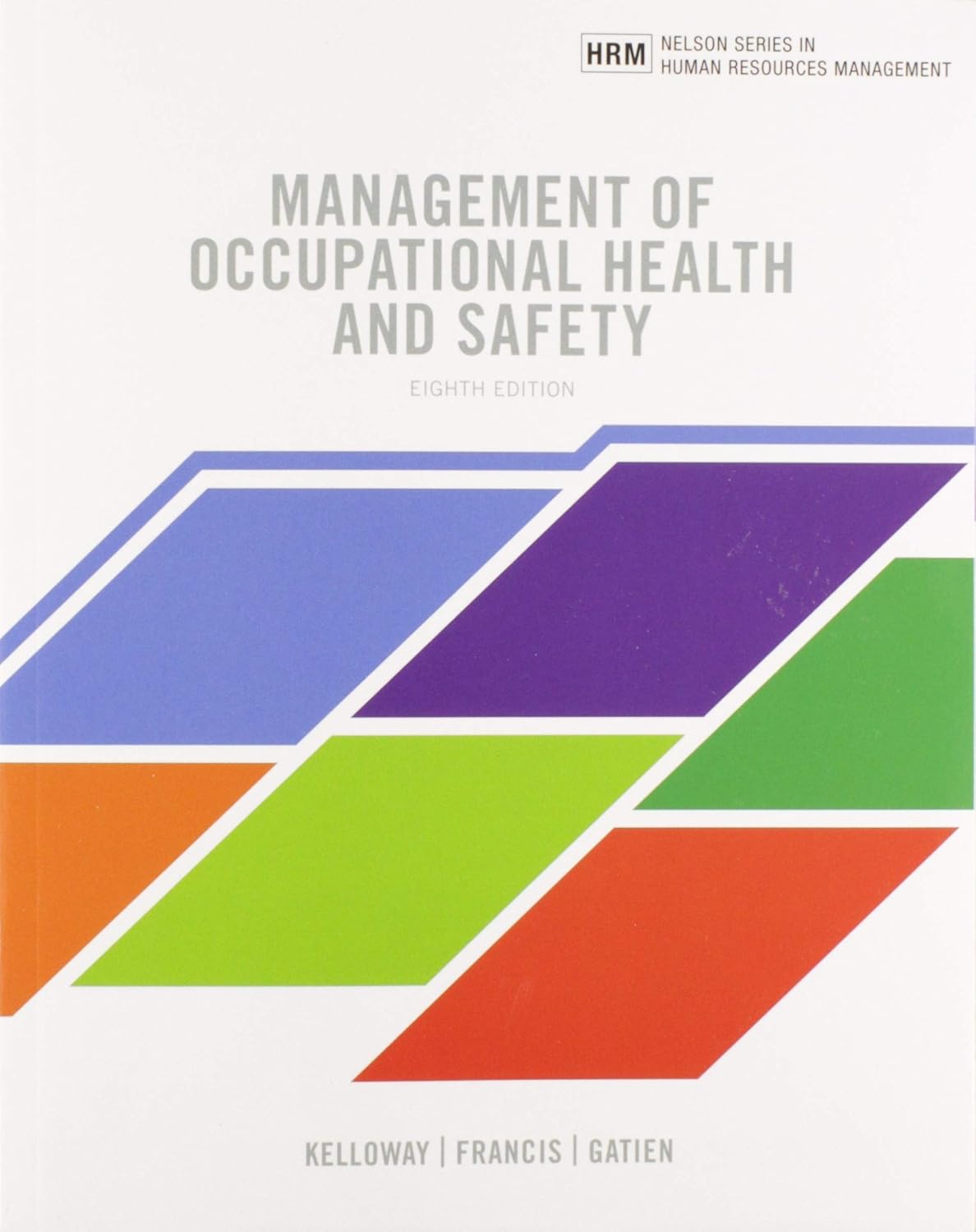
Construction sites are among the most dangerous workplaces in the world—and that’s exactly where the OSHA Construction Safety Handbook proves its value.
This book is widely regarded as a practical, no-nonsense safety guide for anyone involved in construction projects, from site supervisors to safety officers and contractors. Instead of vague theory, it focuses on real OSHA regulations, jobsite hazards, and compliance practices that can literally save lives and prevent costly penalties.

With safety standards becoming stricter and inspections more frequent, having a reliable reference like this handbook is no longer optional—it’s essential.
Table of Contents
About the Book
The OSHA Construction Safety Handbook falls under the professional safety, construction management, and regulatory compliance genre. It is designed as a field-ready reference manual rather than a textbook.
The book focuses on:
- OSHA construction safety standards (29 CFR 1926)
- Common construction hazards
- Accident prevention methods
- Employer and worker responsibilities
- Inspection readiness and compliance strategies
This handbook is especially useful for:
- Construction managers and site engineers
- Safety officers and HSE professionals
- Contractors and subcontractors
- Civil engineering students and trainees
Rather than overwhelming readers with legal jargon, the book simplifies OSHA rules into clear explanations, checklists, and examples that are easy to apply on real jobsites. It’s structured so readers can quickly look up specific topics when needed.
About the Author
The OSHA Construction Safety Handbook is typically compiled and updated by industry safety experts and OSHA-aligned professionals with extensive experience in construction safety management and regulatory enforcement.
While the book is not focused on a single celebrity author, its credibility comes from:
- Alignment with official OSHA standards
- Practical insights from real-world construction environments
- Frequent updates to reflect regulatory changes
This makes it a trusted resource among safety trainers, compliance officers, and construction firms worldwide. Similar OSHA handbooks are commonly used in professional safety certification programs and workplace training sessions.
Summary / Key Takeaways
Here are the main takeaways readers gain from the book:
- Clear explanation of OSHA construction standards without unnecessary complexity
- Identification of high-risk construction activities, including scaffolding, excavation, electrical work, and fall hazards
- Practical safety checklists for daily jobsite use
- Guidance on accident prevention and hazard control
- Employer and employee responsibilities explained in simple terms
- Inspection and compliance readiness tips to avoid fines and shutdowns
The book focuses on prevention first, helping teams identify hazards before accidents occur.
What Readers Liked
Readers consistently appreciate several strengths of this handbook:
- Practical and actionable content that can be used directly on construction sites
- Easy-to-understand language, even for non-native English speakers
- Comprehensive coverage of major construction safety risks
- Well-organized structure, making it easy to find specific topics quickly
- Ideal as both a training resource and reference guide
Many readers highlight that it’s not just for passing inspections—it actually helps build a strong safety culture on site.
What Could Be Better
While highly useful, some readers mention a few minor limitations:
- It can feel regulation-heavy for absolute beginners with no construction background
- Some editions may require periodic updates to stay aligned with the latest OSHA revisions
- Limited visuals compared to modern interactive safety manuals
These are relatively small issues considering the book’s purpose as a regulatory and safety reference.
Why You Should Read It
If you work in construction, this book is less about “reading” and more about risk reduction, compliance, and responsibility.
You should read (and own) this handbook if you want to:
- Reduce workplace accidents and injuries
- Prepare confidently for OSHA inspections
- Train workers using standardized safety practices
- Protect your company from legal and financial penalties
- Build a safer, more professional jobsite environment
Buy This Book
If safety, compliance, and professionalism matter in your construction work, this handbook deserves a place on your desk—or in your site office.

About the Author