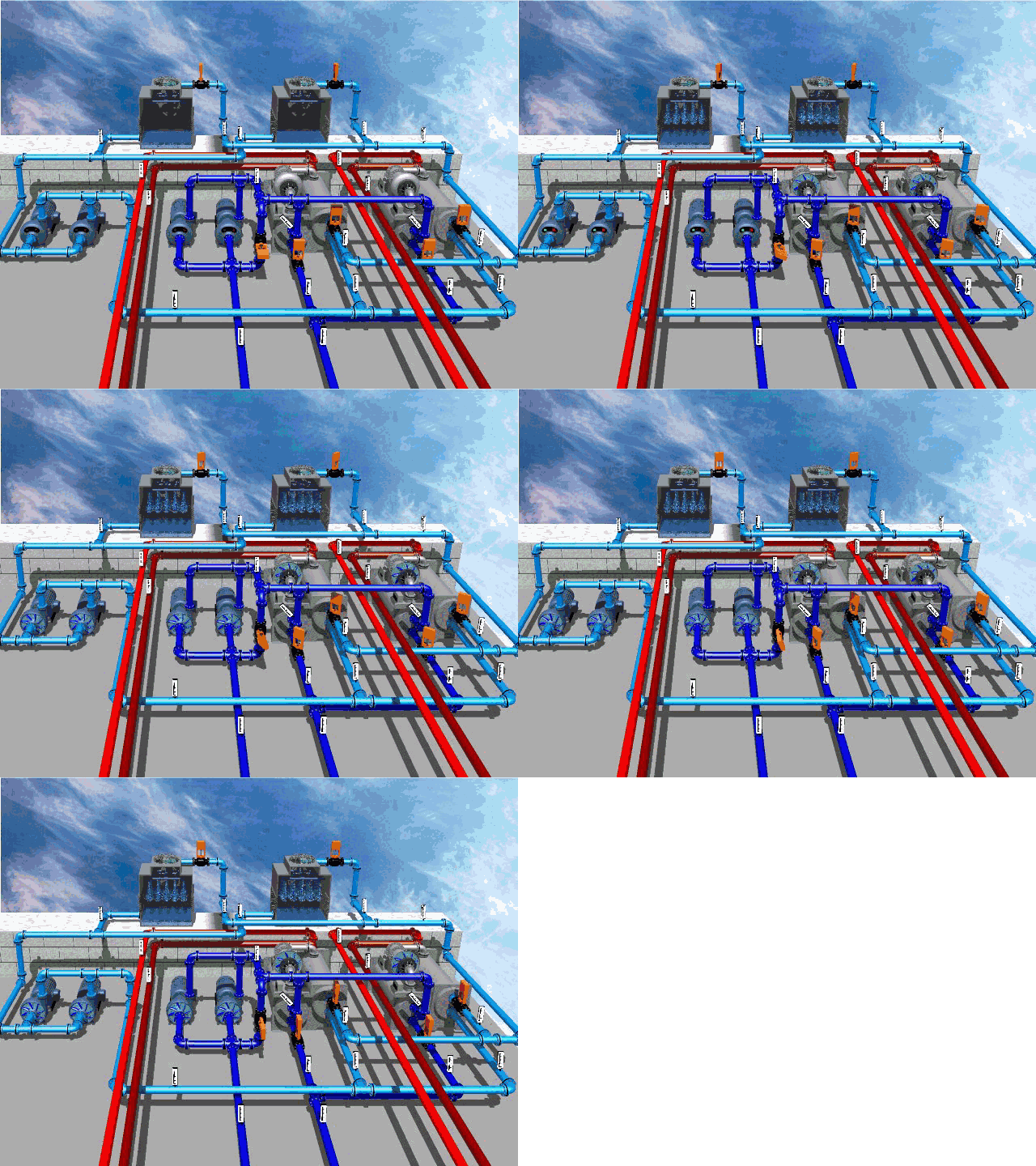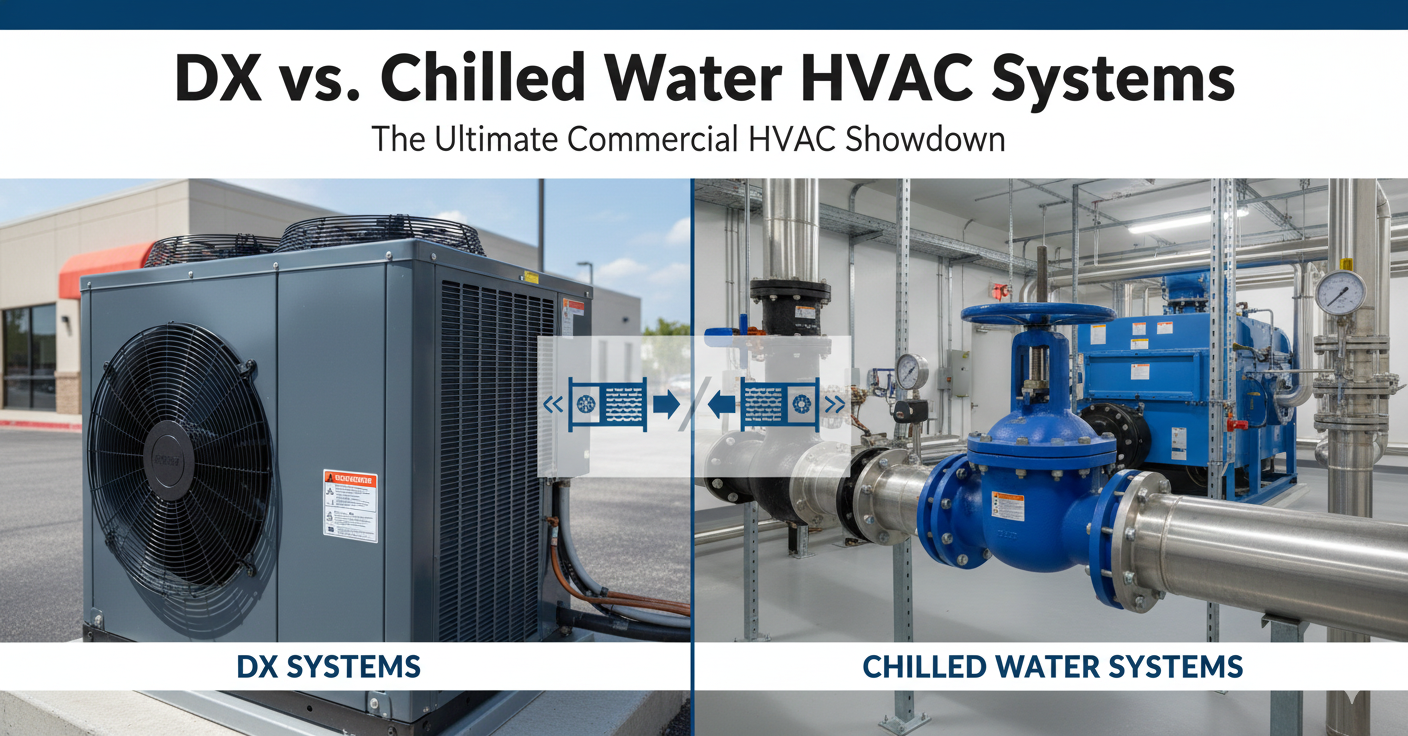
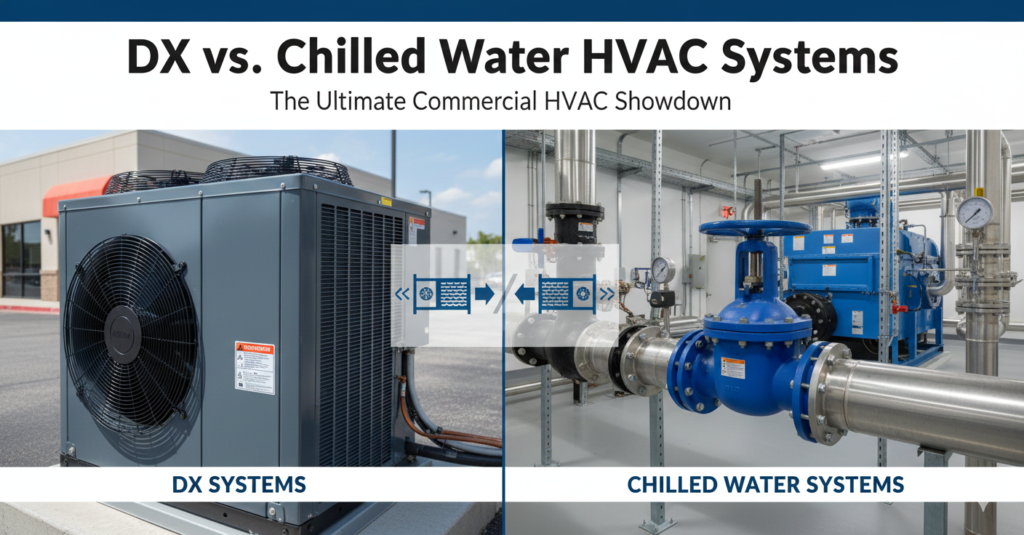
DX vs. Chilled Water: A visual breakdown of the two primary commercial cooling methods.
Choosing the right HVAC cooling system is one of the most critical decisions in building design and operation. Two primary cooling methods dominate the commercial and residential sectors: Direct Expansion (DX) systems and Chilled Water systems. Understanding the differences between these technologies is essential for engineers, facility managers, and building owners who need to select a system that balances energy efficiency, initial costs, operational reliability, and long-term performance.
This comprehensive guide breaks down both systems, compares their characteristics, and helps you determine which is best suited for your specific application. Whether you’re designing a new facility, retrofitting an existing building, or managing HVAC operations, this article provides the technical depth and practical insights you need.
Table of Contents
What Is a Direct Expansion (DX) Cooling System?
A Direct Expansion (DX) system cools air by circulating refrigerant directly through evaporator coils. The refrigerant absorbs heat from the indoor air, evaporates, and then travels to an outdoor condenser unit where the heat is rejected to the atmosphere. The refrigerant is then pressurized and cycled back to repeat the process.
How DX Systems Work

Step 1: Evaporation in the Indoor Unit
Liquid refrigerant enters the evaporator coil inside an air handling unit (AHU) or packaged rooftop unit (RTU). As warm indoor air passes over the coil, the refrigerant absorbs heat and evaporates into a vapor.
Step 2: Compression
The refrigerant vapor is drawn into a compressor (typically located in an outdoor unit), where it’s pressurized to increase its temperature and pressure.
Step 3: Condensation Outdoors
The high-pressure, high-temperature refrigerant vapor enters the outdoor condenser coil. Ambient air passes over this coil, cooling the refrigerant and causing it to condense back into liquid form.
Step 4: Expansion and Cycle Repetition
The liquid refrigerant passes through an expansion device (metering device or capillary tube), reducing its pressure and temperature before returning to the evaporator coil to start the cycle again.


DX System Configuration
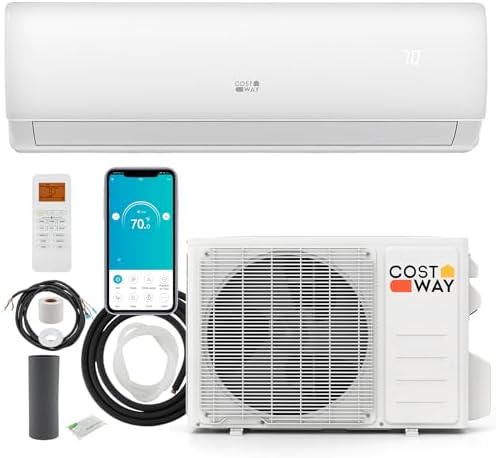
DX systems are typically decentralized, meaning each zone or building area may have its own independent cooling unit. Common configurations include:
- Packaged Rooftop Units (RTU): Single unit containing compressor, condenser, and evaporator
- Split Systems: Outdoor condensing unit paired with indoor air handling unit
- Window Units: Compact self-contained cooling for single rooms
- Variable Refrigerant Flow (VRF/VRV): Advanced DX technology with multiple indoor units served by a central outdoor unit
What Is a Chilled Water Cooling System?
A Chilled Water system uses a central chiller to cool water, which is then circulated through pipes to air handling units (AHUs) throughout the building. The evaporator coil inside each AHU contains the chilled water, and indoor air passes over these coils to achieve cooling.
How Chilled Water Systems Work
Step 1: Central Chiller Operation
A large central chiller unit cools water to approximately 40–45°F (4–7°C). The chiller contains an evaporator where refrigerant cools the water, similar to the DX cycle but at a larger scale.
Step 2: Chilled Water Distribution
Cooled water is circulated via a pump through insulated piping to multiple air handling units (AHUs) throughout the building.
Step 3: Heat Absorption at AHUs
Indoor air passes over chilled water coils inside each AHU. The water absorbs heat from the air, warming to approximately 55–60°F (13–16°C).
Step 4: Condensing Water Return and Cooling Tower
Warmed return water flows back to the chiller. Condenser water from the chiller is pumped to a cooling tower, where ambient air cools the water before it returns to the chiller’s condenser.
Step 5: Process Repetition
The chiller repeats cooling the water, creating a continuous loop for centralized cooling distribution.
Chilled Water System Configuration
Chilled water systems are centralized, with one or more large chillers serving the entire building or campus. Key components include:
- Chiller(s): Central cooling plant
- Chilled Water Pump(s): Circulates cooled water to AHUs
- Air Handling Units (AHUs): Distributed throughout building with chilled water coils
- Condensing Water Loop: Includes cooling tower, condenser pump, and piping
- Control Systems: Manages water temperatures, flow rates, and load distribution
DX vs. Chilled Water: Feature-by-Feature Comparison
1. Cooling Medium and Method
DX Systems:
- Cooling medium: Refrigerant (R-410A, R-32, R-290, or other fluids)
- Refrigerant is circulated directly through indoor evaporator coils
- Heat is rejected at outdoor condenser unit
- Simpler cycle with fewer components
Chilled Water Systems:
- Cooling medium: Water (treated with inhibitors to prevent corrosion)
- Water is cooled centrally and distributed via piping
- Heat rejection occurs at cooling tower or closed-circuit cooler
- More complex distribution but scalable to larger facilities
2. Initial Installation Costs
DX Systems: LOWER UPFRONT COST
- Simple packaged units require minimal infrastructure
- Self-contained systems need only refrigerant lines and electrical connections
- Installation labor is straightforward (typically 100–200 hours for mid-size commercial unit)
- Typical cost: $50–$150 per ton of cooling capacity for smaller buildings
- Example: 5-ton RTU costs $15,000–$20,000 installed
Chilled Water Systems: HIGHER UPFRONT COST
- Central chiller plant requires significant infrastructure investment
- Extensive piping networks (2–5 inch diameter pipes throughout building)
- Multiple pumps, cooling tower, AHUs, and controls needed
- Professional design and installation critical (typically 500–2,000+ labor hours)
- Typical cost: $200–$400 per ton of cooling capacity
- Example: 300-ton chiller plant costs $60,000–$120,000+ installed
Rule of Thumb: Chilled water systems become more cost-effective than DX systems in buildings with cooling loads exceeding 300 tons.

3. Energy Efficiency
DX Systems: MODERATE EFFICIENCY
- Efficiency measured by SEER (Seasonal Energy Efficiency Ratio) or EER (Energy Efficiency Ratio)
- Typical SEER ratings: 13–18 for modern air-cooled DX units
- Energy consumption: Approximately 1.0–1.5 kW per ton of cooling (depending on ambient conditions and equipment age)
- Efficiency degrades in hot climates due to high outdoor condensing temperatures
- Multiple smaller units may run at partial load, reducing overall efficiency
- Better suited for smaller applications or specific zone cooling
Chilled Water Systems: HIGHER EFFICIENCY
- Efficiency measured by COP (Coefficient of Performance) or kW per ton
- Modern water-cooled chillers: COP of 4.5–6.0 (equivalent to 0.40–0.55 kW/ton)
- With advanced controls and optimization: Can achieve 0.35 kW/ton or lower
- Centralized operation allows better load matching and optimization
- Larger units operate closer to rated capacity, improving efficiency
- Can leverage advanced strategies:
- Variable speed drives on compressor and pump motors
- Demand-controlled ventilation (DCV) integration
- Free cooling via waterside or airside economizers
- Thermal storage for load shifting
- Energy savings: Chilled water systems can reduce energy consumption by 20–30% compared to DX systems in large buildings
Study Reference: A Xylem Inc. commissioned study found hydronic (chilled water) systems outperformed DX systems by up to 24% in energy use, cost, and lifespan.
4. System Lifespan and Maintenance
DX Systems: SHORTER LIFESPAN
- Typical lifespan: 12–15 years (shorter due to continuous full-load operation of compressor)
- Maintenance: Each unit requires separate service calls and refrigerant checks
- More frequent component replacement (compressor, condenser fans, control boards)
- Decentralized maintenance: Multiple technicians needed for multiple units
- Simpler expertise required; more HVAC contractors can service DX systems
- Lower maintenance costs per unit, but higher total cost across building
- No water treatment or cooling tower maintenance required
Chilled Water Systems: LONGER LIFESPAN
- Typical lifespan: 20–25 years for central chiller with proper maintenance
- Maintenance: Centralized chiller requires quarterly inspections, water treatment, tube cleaning
- Cooling tower: Annual cleaning and water treatment essential
- Higher technical expertise required for chiller service (fewer contractors specialize in large chillers)
- Chiller tubes: Require periodic cleaning to maintain efficiency (every 1–3 years)
- Water treatment: Inhibitors, biocides, pH control needed to prevent corrosion
- Centralized maintenance reduces travel time and coordination complexity
5. Scalability and Flexibility
DX Systems: LIMITED SCALABILITY
- Adding cooling capacity requires installing additional standalone units
- Scaling creates management complexity (multiple units, multiple thermostats, multiple service contracts)
- Air conditioner capacity additions don’t benefit existing units
- Zoning: Can achieve precise control with individual units per zone, but requires multiple refrigerant lines
- Retrofit simplicity: Easier to add DX units than redesign water piping for chilled water systems
- Space constraints: Each new DX unit requires roof or wall space
Chilled Water Systems: HIGHLY SCALABLE
- Adding cooling capacity: Install additional chillers connected to same water loop
- Scaling efficiency: New chillers added to existing loop benefit from optimized controls
- Zoning: Complex zoning easily achieved by adjusting water flow to different AHUs and VAV boxes
- Single control system manages all chillers and zones
- Retrofit complexity: Adding chilled water requires new piping (more invasive), but once installed, very flexible
- Space efficiency: Multiple zones cooled via single piping loop through building
6. Operational Efficiency and Load Matching
DX Systems: PARTIAL LOAD OPERATION
- Multiple units often run at partial capacity, reducing efficiency
- Cycling losses occur when units turn on/off to match demand
- Limited ability to adjust capacity smoothly (newer VFD-equipped units offer variable capacity)
- Each unit sized for local zone peak load, leading to oversizing in some areas
- Better for applications with variable occupancy (single-zone buildings, retail spaces)
Chilled Water Systems: EXCELLENT LOAD MATCHING
- Central chiller can modulate capacity to match building load
- Variable-speed drives on chillers reduce energy during partial-load operation
- Smooth capacity adjustment: No on/off cycling losses
- Multiple chillers can be staged (one or more chillers online based on load)
- Waterside economizer can provide free cooling during mild weather
- Load shifting: Thermal storage (ice storage) can shift cooling from peak to off-peak periods
7. Redundancy and Reliability
DX Systems: BUILT-IN REDUNDANCY (With Caveats)
- Multiple standalone units provide redundancy if one fails
- Example: 4 rooftop units = if 1 fails, 75% cooling capacity remains
- However, each unit failure impacts that zone’s occupants
- No single point of failure, but occupant comfort affected during unit repair (24–48 hours typical)
- Suitable for facilities where brief outages are acceptable
Chilled Water Systems: REDUNDANCY REQUIRES PLANNING
- Single chiller = single point of failure affecting entire building
- Solution: Install multiple smaller chillers (e.g., three 100-ton chillers instead of one 300-ton)
- Multiple chillers add cost but provide redundancy: If one chiller fails, others continue cooling
- Condenser water loop redundancy: Multiple cooling towers or closed-circuit coolers
- Central pump redundancy: Parallel pumps with automatic switchover
- Capital cost: Redundant design may cost 15–25% more than single chiller
8. Installation Timeline
DX Systems: QUICK INSTALLATION
- Packaged rooftop units: Can be installed in 1–3 days
- Minimal site preparation required
- Ideal for retrofit projects with tight schedules
- Can be operational immediately after startup
- Less coordination with other building trades
Chilled Water Systems: LONGER INSTALLATION
- Planning and design: 2–4 weeks
- Piping installation: 4–8 weeks (depending on building complexity)
- Chiller installation and commissioning: 2–4 weeks
- Total timeline: 8–16 weeks or more for complex buildings
- Requires coordination with structural, electrical, and plumbing trades
- Pre-planning essential to avoid conflicts and delays

- Simple to Use: Dual size SAE 1/4” and 5/16” port valve core removal set allows for quick and easy replacement of leaki…
- Wide Application: Valve core remover installer set and HVAC service wrench set designed for maintenance and use, compati…
- Good Quality: Premium 3/4″ and 5/16″ SAE valve core removal. HVAC valve core remover set, hvac tools make it be easily i…

- 7-in-1 FLIP SOCKET SET: Includes 3 flip sockets and a 1/4-Inch bit holding feature to fasten screws
- HEX SIZES: 1/4, 5/16, 3/8, 7/16, 1/2 and 9/16-Inch
- IMPACT-RATED: Shaft and sockets are impact driver compatible and designed for heavy-duty applications

- PRECISION AND VERSATILITY: Klein Tools 4-in-1 Electronics Screwdriver with non-magnetic tips for precise work on electro…
- PREMIUM SPIN CAP: Free-spinning cap allows your palm to rest in place for optimal control and precise fastening
- CHROME-PLATED BARREL: Provides a smooth finish and corrosion resistance for long-lasting utility
9. Space Requirements
DX Systems: COMPACT FOOTPRINT
- Rooftop units: 10 × 6 feet (typical for 15-ton unit)
- Wall-mounted split systems: Minimal indoor space (condenser located outdoors)
- Window units: No permanent installation space required
- Ideal for buildings with limited mechanical room space
Chilled Water Systems: SIGNIFICANT SPACE NEEDED
- Chiller plant room: 20 × 30 feet minimum (for 300-ton chiller with pumps and cooling tower)
- Piping runs: 2–5 inch diameter pipes throughout building (in chases, above drop ceilings, or trenches)
- Cooling tower: 20 × 15 feet + clearance for air circulation
- AHUs and distribution: Chilled water lines to each AHU
- Planning requirement: Must account for mechanical spaces in building design
10. Zoning Capability
DX Systems: INDIVIDUAL ZONE CONTROL
- Each DX unit can be independently controlled
- Excellent for buildings with varying occupancy patterns
- Challenge: Managing multiple thermostats and individual unit cycling
- Advanced: VRF systems allow precise individual space control with single outdoor unit
Chilled Water Systems: FLEXIBLE ZONE CONTROL
- Central water loop serves multiple AHUs with independent thermostats
- VAV (Variable Air Volume) boxes allow per-zone temperature control
- Example: Hotel with 200 rooms = 200 independent VAV boxes on single chilled water loop
- Better for large buildings requiring complex zoning
- More energy-efficient due to centralized optimization
Climate Considerations for DX vs. Chilled Water
Hot, Humid Climates (Middle East, Southeast Asia, India)
Best Choice: Chilled Water Systems
- Outdoor air temperatures often exceed 110°F (43°C)
- DX condenser efficiency degrades significantly at high outdoor temperatures
- Chilled water systems maintain efficiency via cooling towers (evaporative cooling)
- Water-cooled chillers: 0.45 kW/ton even in hot climates
- Air-cooled DX units: 1.5–2.0 kW/ton in extreme heat (severe efficiency loss)
- Energy savings: 30–40% with chilled water vs. DX in hot climates
Cold Climates (Northern Europe, Canada, Northern US)
Best Choice: DX or Chilled Water (Depends on Size)
- Outdoor temperatures often below 50°F (10°C)
- Both systems benefit from reduced condensing load
- DX systems: Simpler installation, adequate efficiency for smaller buildings
- Chilled water: Better for large facilities with continuous cooling needs
- Free cooling opportunities: Waterside or airside economizers reduce compressor load
- Heat recovery: Can extract useful heat during shoulder seasons
Moderate Climates (Temperate Zones)
Best Choice: Either System (Depends on Building Size)
- Smaller buildings (<30 tons): DX systems more economical
- Larger buildings (>300 tons): Chilled water systems more efficient
- Medium buildings (30–300 tons): Comparative analysis needed
Efficiency Comparison: Real-World Numbers
Small Office Building (15 tons, DX System)
Annual Cooling Load: 200,000 kWh
System Efficiency: SEER 16 (0.75 kW/ton in moderate climate)
Annual Energy Consumption: 200,000 kWh ÷ 16 = 12,500 kWh
Annual Cost at $0.12/kWh: $1,500
10-Year Operating Cost: $15,000
Same Building (15 tons, Chilled Water System)
Annual Cooling Load: 200,000 kWh
System Efficiency: COP 5.0 (0.55 kW/ton with optimization)
Annual Energy Consumption: 200,000 kWh ÷ 5.0 = 40,000 kWh (Wait—this should be lower. Let me recalculate: 200,000 kWh × 0.55 kW/ton ÷ 1000 = 110 kWh… Actually, the calculation is: 200,000 tons-hours annually × 0.55 kW/ton = 110,000 kWh. For a more accurate small building example, chilled water is typically oversized and less efficient for <30 tons.)
Note: For buildings under 30 tons, DX systems are typically more efficient due to chilled water system oversizing. The comparison favors chilled water in buildings exceeding 100+ tons.
Large Commercial Building (500 tons, Chilled Water System)
Annual Cooling Load: 4,500,000 kWh
System Efficiency: COP 5.2 (0.52 kW/ton with advanced controls)
Annual Energy Consumption: 4,500,000 × 0.52 ÷ 1000 = 2,340,000 kWh
Annual Cost at $0.12/kWh: $280,800
Equivalent DX System (500 tons, multiple units):
System Efficiency: SEER 15 (0.68 kW/ton, degraded due to multiple units, partial load cycling)
Annual Energy Consumption: 4,500,000 × 0.68 ÷ 1000 = 3,060,000 kWh
Annual Cost at $0.12/kWh: $367,200
Annual Savings with Chilled Water: $367,200 − $280,800 = $86,400 per year
10-Year Savings: $864,000
When to Choose DX Systems
✅ Building Size: Small to mid-size buildings (under 50 tons)
✅ Budget Constraints: Limited initial capital (lower first cost critical)
✅ Installation Timeline: Need cooling operational quickly
✅ Building Layout: Multiple separate structures (campus-style with independent buildings)
✅ Retrofit Projects: Existing buildings with no chilled water infrastructure
✅ Simple Zoning: Few zones or independent space cooling
✅ Moderate Climate: Temperate regions with lower outdoor temperatures
✅ Maintenance Expertise: Limited access to specialized chiller technicians
When to Choose Chilled Water Systems
✅ Building Size: Large commercial or institutional buildings (over 100 tons)
✅ Long-Term Operation: 20+ years of building operation (payback period for efficiency)
✅ Energy Efficiency Priority: Utility costs significant operational concern
✅ Complex Zoning: Multiple zones with independent control requirements
✅ Campus Applications: Central plant serving multiple buildings
✅ High Cooling Demands: Continuous 24/7 cooling requirements
✅ Hot Climates: Regions with very high outdoor temperatures
✅ Redundancy Required: Mission-critical facilities needing backup cooling
✅ Growth Planning: Anticipated building expansion
Lifecycle Cost Analysis
DX System (15-ton residential/small commercial)
| Cost Component | Amount |
|---|---|
| Initial Equipment & Installation | $18,000 |
| 15-Year Operating Cost (12,500 kWh/yr × $0.12/kWh × 15 yr) | $22,500 |
| Maintenance & Repair (3 compressor replacements × $2,500) | $7,500 |
| Total 15-Year Cost | $48,000 |
| Cost per Year | $3,200 |
Chilled Water System (15 tons—oversized example)
| Cost Component | Amount |
|---|---|
| Initial Equipment & Installation | $45,000 |
| 15-Year Operating Cost (Higher efficiency, lower cost) | $28,000 |
| Maintenance & Water Treatment | $9,000 |
| Total 15-Year Cost | $82,000 |
| Cost per Year | $5,467 |
Takeaway: For 15-ton applications, DX systems win financially. However, for 300+ ton buildings, chilled water breaks even by year 3–5 and saves significantly thereafter.
Chilled Water System (300-ton large building)
| Cost Component | Amount |
|---|---|
| Initial Equipment & Installation | $120,000 |
| 25-Year Operating Cost (0.52 kW/ton, $0.12/kWh) | $350,000 |
| Maintenance & Water Treatment (avg. $3,000/year) | $75,000 |
| Total 25-Year Cost | $545,000 |
| Cost per Year | $21,800 |
Equivalent DX System (300-ton multiple units)
| Cost Component | Amount |
|---|---|
| Initial Equipment & Installation | $75,000 |
| 25-Year Operating Cost (0.68 kW/ton, $0.12/kWh) | $460,000 |
| Maintenance & Repairs (annual per unit × quantity) | $150,000 |
| Total 25-Year Cost | $685,000 |
| Cost per Year | $27,400 |
Annual Savings with Chilled Water: $27,400 − $21,800 = $5,600/year
25-Year Savings: $140,000
Advanced Hybrid Solutions
VRF/VRV Systems (Variable Refrigerant Flow)
Advanced DX technology combining benefits of both systems:
- Centralized outdoor compressor unit
- Multiple independent indoor air handlers per zone
- Variable refrigerant flow allows precise zone control
- Efficiency: SEER 16–22 (comparable to chilled water)
- Cost: Between DX and chilled water ($100–$200/ton)
- Installation timeline: 4–8 weeks
- Best for: Medium-sized buildings (50–150 tons) requiring precise zoning
Chilled Water with Free Cooling
Enhance chilled water efficiency with economizer:
- Waterside economizer: Uses outdoor air to cool water during mild seasons
- Reduces chiller runtime by 30–50% annually
- Cost: $15,000–$30,000 additional
- Payback: 3–5 years through energy savings
Thermal Storage Systems
Reduce peak cooling load and shift energy use:
- Ice storage: Makes ice during off-peak hours, melts during peak demand
- Chilled water storage: Stores cool water during night, uses during day
- Cost: $50–$150/ton storage capacity
- Best for: Facilities with time-of-use (TOU) electricity rates
Installation and Design Considerations
DX System Design Checklist
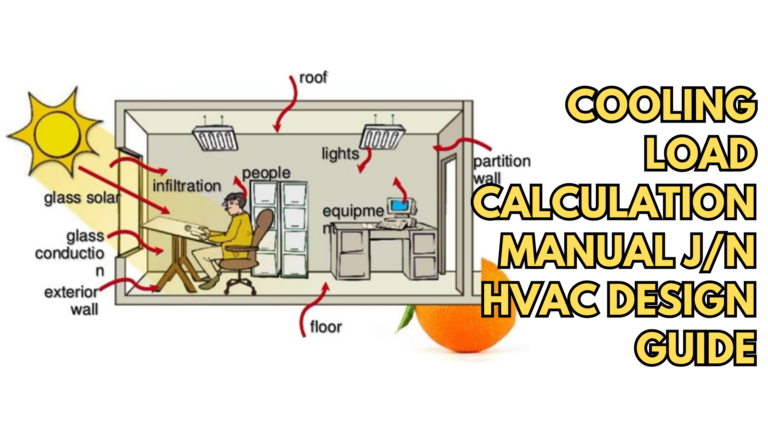
- Calculate peak cooling load (Manual J for residential, Manual N for commercial)
- Select appropriately sized packaged unit or split system
- Plan refrigerant line routing (minimize length, avoid horizontal runs)
- Size electrical service (typically 208–480V three-phase for commercial)
- Ensure adequate outdoor unit clearance (minimum 3 feet on all sides)
- Verify rooftop or wall structural capacity for unit weight
- Plan condensate drain routing (to building drain or condensate pump)
- Install thermal insulation on suction line (copper piping)
- Vibration isolation: Use rubber mounts or spring isolators
- Electrical disconnect: Install within 3 feet of unit
- Control wiring: Thermostat placement for optimal sensing
Chilled Water System Design Checklist
- Calculate peak cooling load and chiller ton requirement
- Select chiller type (screw, centrifugal, scroll based on capacity and efficiency)
- Pipe sizing: Use equal-friction method or computer modeling
- Chilled water temperature setpoint: Typically 42–45°F (6–7°C)
- Condenser water temperature: 85–90°F (29–32°C) depending on cooling tower
- Pump sizing: Calculate flow rate (GPM) and pressure drop
- Cooling tower selection: Ensure adequate heat rejection capacity
- Expansion tank sizing: Account for temperature-induced volume changes
- Water treatment plan: Inhibitor type, biocide schedule, pH control
- Strainer installation: Protect chiller and pump from debris
- Balancing: Use balancing valves to ensure proper water flow to all AHUs
- Controls: DDC controller integration for chiller staging and optimization
- Insulation: Pipe insulation (minimum 1.5 inches) to prevent condensation
- Vibration isolation: Chiller and pump mounts
Maintenance and Service Requirements
DX System Maintenance (Annual)
- Inspect compressor for leaks
- Check refrigerant charge (use pressure gauges)
- Clean evaporator and condenser coils
- Check/replace air filter
- Verify electrical connections and capacitor condition
- Test thermostat calibration
- Inspect for abnormal noise or vibration
- Cost: $300–$800/year per unit
Chilled Water System Maintenance (Annual)
- Chiller inspection and performance monitoring
- Water treatment analysis (pH, alkalinity, inhibitor concentration)
- Cooling tower cleaning and inspection
- Pump seal inspection
- Strainer cleaning
- Pipe insulation inspection
- Control system testing
- Cost: $3,000–$8,000/year for entire system
Conclusion
Both Direct Expansion (DX) and Chilled Water systems have distinct advantages and are suited to different applications:
Choose DX Systems when:
- Building cooling load is under 50 tons
- Budget for initial installation is constrained
- Quick installation is critical
- Building layout favors decentralized cooling
- Climate is moderate
- Maintenance expertise is limited
Choose Chilled Water Systems when:
- Building cooling load exceeds 100 tons
- Long-term energy efficiency is a priority
- Facility operates continuously (24/7 cooling)
- Complex zoning is required
- Hot climate or mission-critical reliability
- Building expansion is anticipated
The breakeven point occurs around 100–150 tons, where chilled water system’s superior efficiency and scalability begin offsetting higher initial costs.
For your next HVAC project, conduct a detailed lifecycle cost analysis considering your building’s specific load, climate, operational profile, and budget constraints. Modern control systems and energy monitoring tools can maximize efficiency regardless of the system chosen.
Free HVAC Checklists & Resources
Download our DX vs. Chilled Water System Selection Checklist to evaluate your building’s cooling needs and determine the optimal system type. Sign up for our free resource library:
- HVAC Load Calculation Worksheet
- System Design Comparison Template
- Maintenance Scheduling Checklist
- Energy Efficiency Optimization Guide
Related Articles:
- Cooling Load Calculations: Manual J & Manual N Explained
- Chiller Capacity Selection Guide
- ASHRAE 90.1 Energy Standards Compliance
- Variable Refrigerant Flow (VRF) Systems Explained
- Cooling Tower Design and Selection
About the Author:
This article was written by the Famcod engineering team, bringing together expertise from mechanical engineers, civil engineers, and project managers specializing in MEP design and construction. Learn more about Famcod MEP Engineering Solutions.
About the Author